
Blog

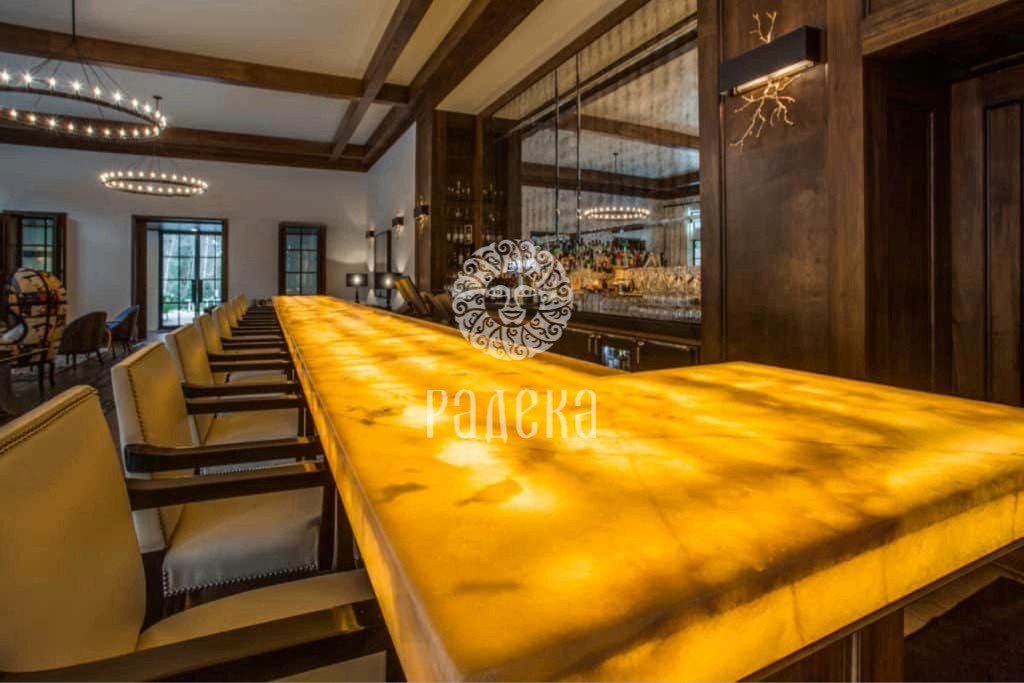
Stone onyx is a natural semiprecious mineral which is widely used in the jewelry business and in construction. What is onyx? Onyx is one of quartz diversities with impurities in the rock. The mineral can be of different shades – from pale-green to saturated black, also one can meet striped, veiny, interspersed and colorful examples. The stone can be translucent and transmit light and it can be completely opaque. Qualities of onyx make it similar to such popular minerals as marble or granite.
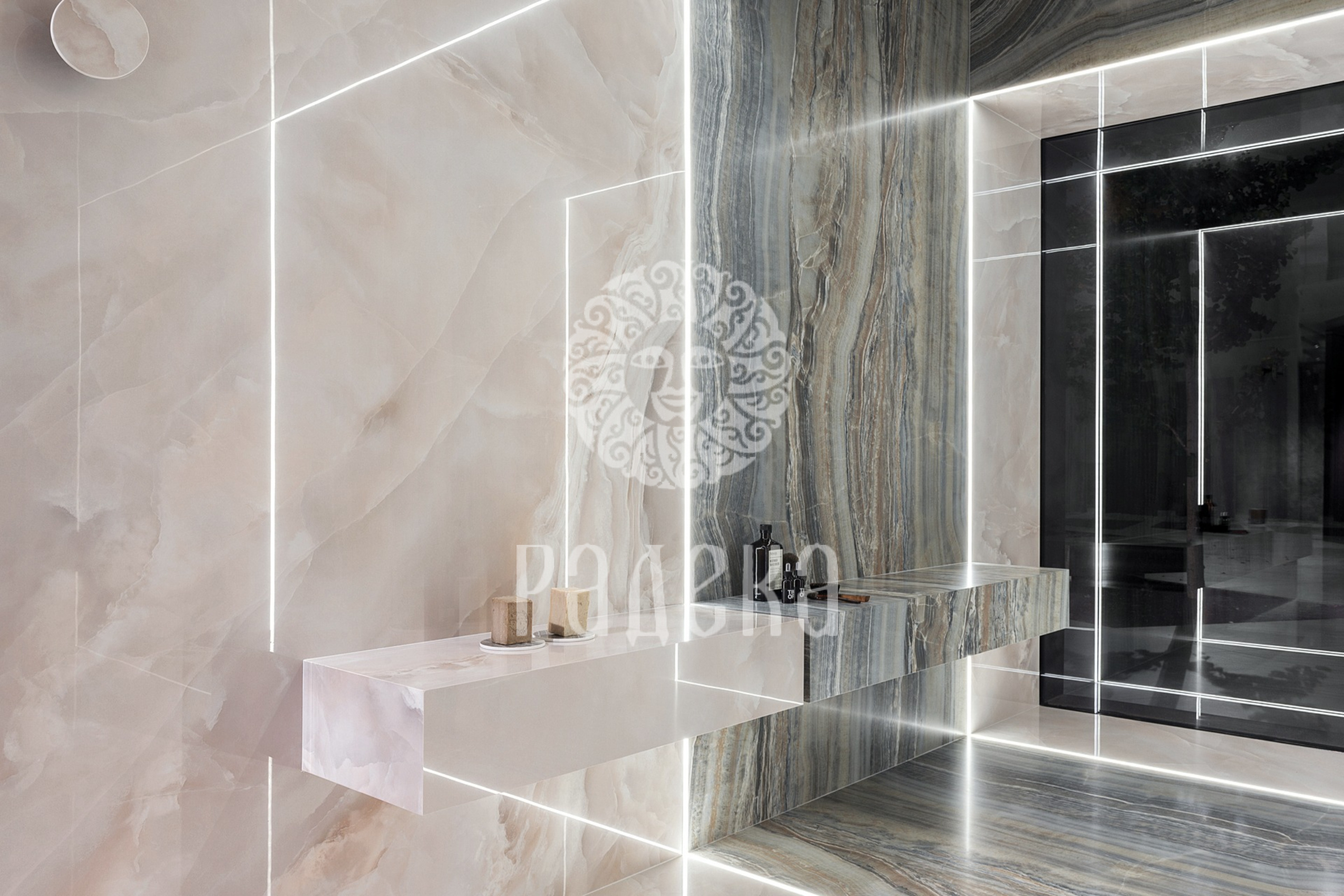
Natural stone in walls and floor cladding fills an interior with the feeling of natural, beauty and luxury. The richness of textures and a variety of natural shades of stone’s surface lets modern designers to create interiors of almost any style from traditional classic to cutting-edge directions. Natural stone is noble, beautiful and truly practical material. It can withstand any operational loads and doesn’t lose its allure even in 20 years after installation. Thus only natural stone in walls and floor cladding is the most advantageous option from the perspective view. Advantages of stone floors and walls cladding • Aesthetics and beauty.
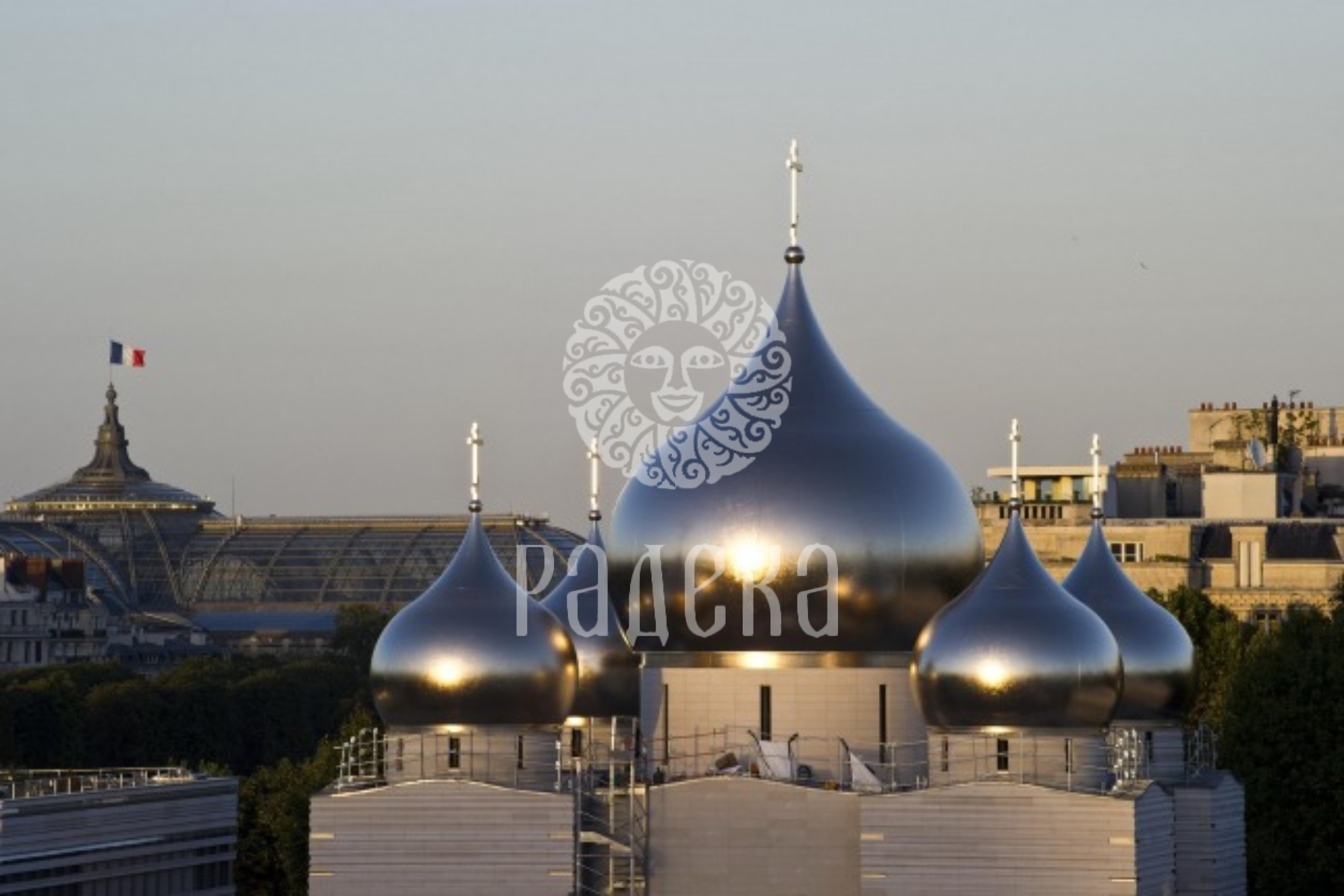
Dome is a hemispherical roofing structure where all the lines smoothly converge to one point on the top. Our specialists have been being engaged in design, manufacturing and installation of the domes for churches and mosques of different kinds and sizes for many years. During this time we have worked out several technologies of manufacturing and facing of dome structures. Stages of dome production • Designing of a dome and its facing; • Production and assemble of a dome frame; • Facing of the dome with metal tiling or seam panels; • Installation of the dome on the temple. Production of domes of a large diameter is performed at the construction site or in our manufactory.
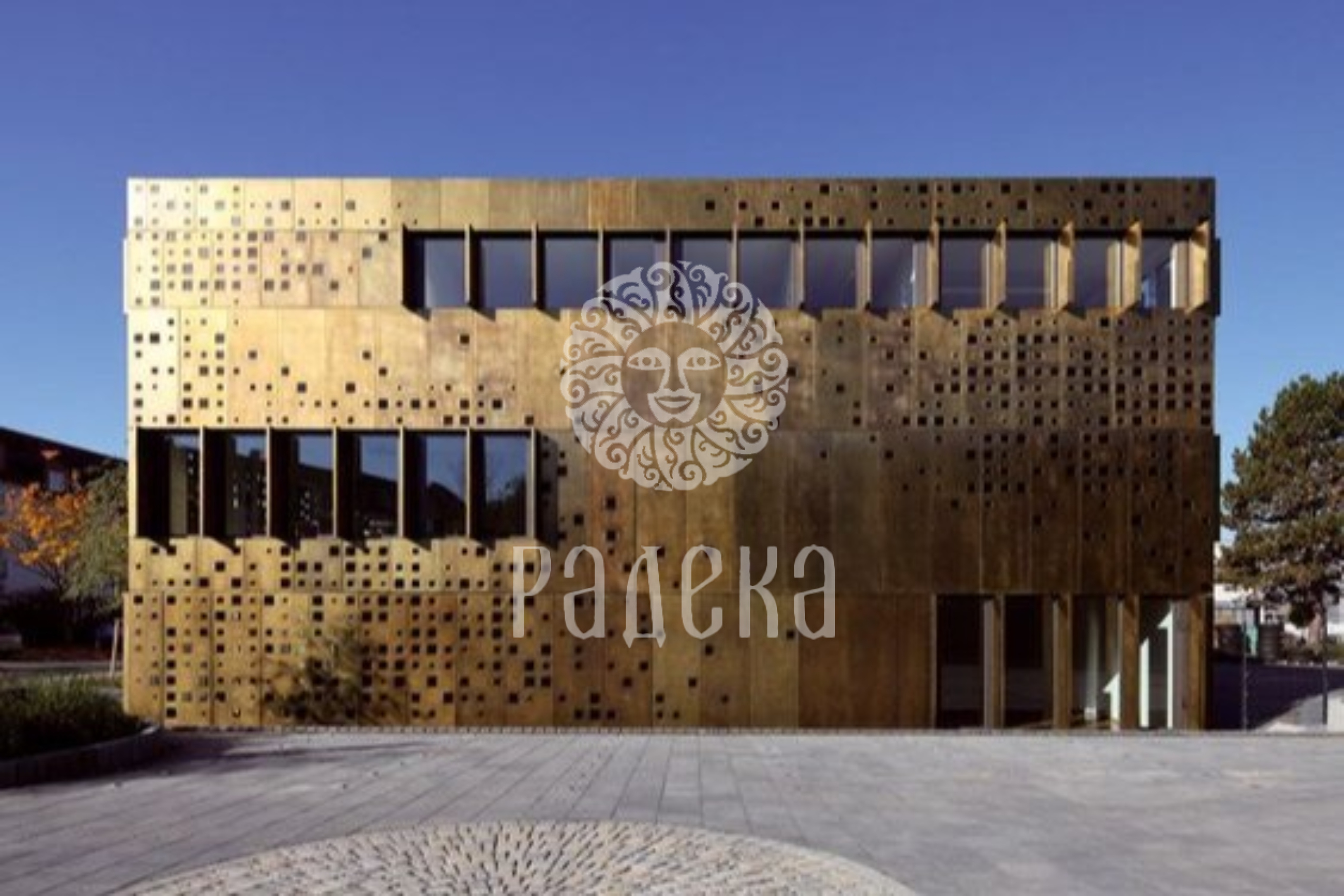
Brass is an alloy of copper and zinc known from ancient times; they learnt to produce it in Ancient Rome. A content of zinc in the alloy can be from 5 to 45 percent. Zinc is cheaper than copper that’s why its introduction into the alloy not only improves mechanical, antifrictional and technological features but also decreasing the cost of brass. History of brass Brass may be named the most outlandish alloy of ancientry. In the Roman Empire a production of the alloy began in I century B.C. Among precious metals brass was ranking third after silver and gold. In the East the alloy was known since VIII century.
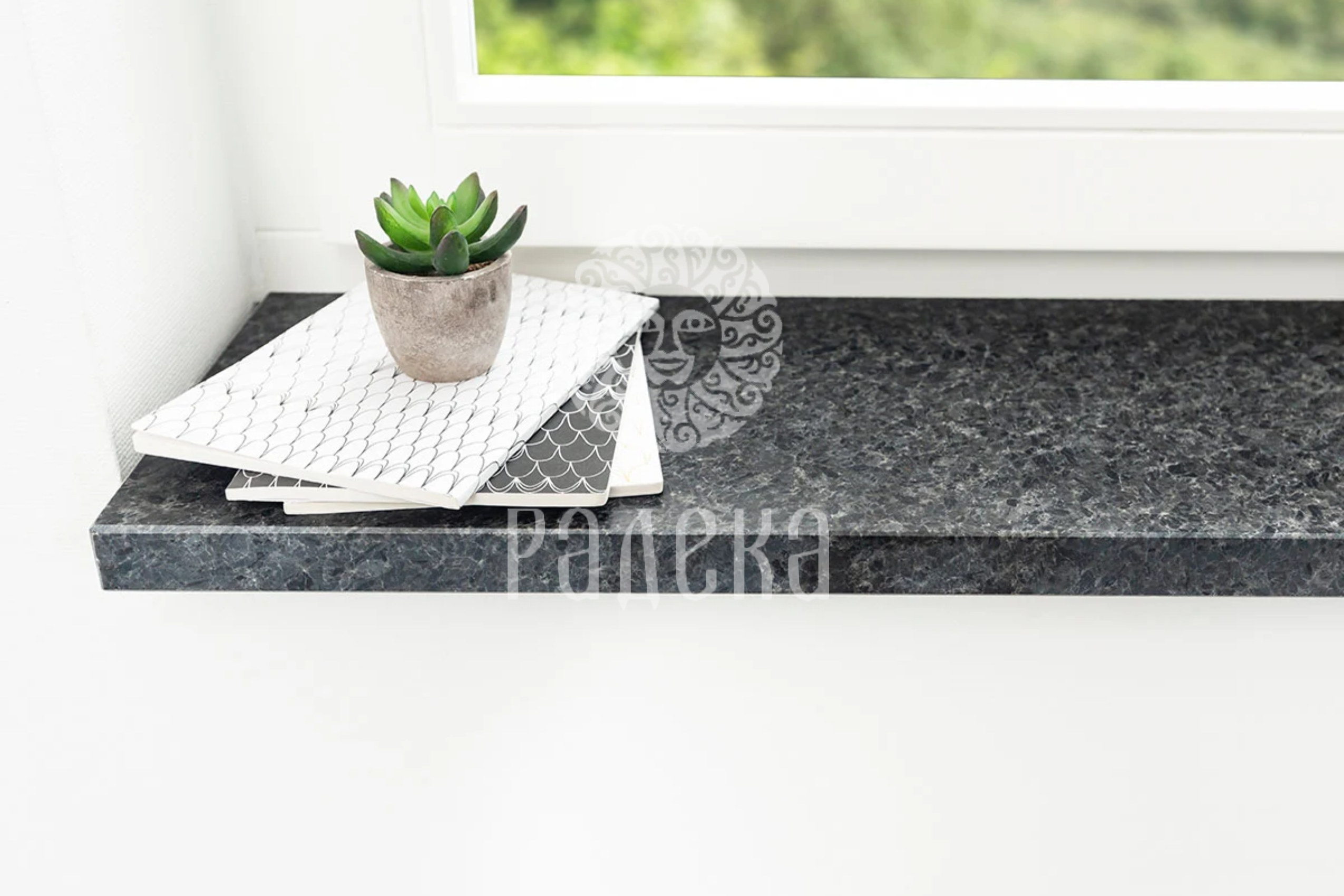
Window sills of natural stone are a perfect solution for exterior and interior décor of your house. Window sills and drip molds of stone are a high level of quality of the material which gives and elegant view to any interior. Window sills of stone are strong and resistant to abrasion, easy to polish and process. A window sill of natural stone gives completeness to a window aperture, adds exquisite and natural beauty. Stone window sill represents a beautiful surface for placing houseplants and other things on it. If to install a wide window sill in the kitchen it can be used as work space. Pros of stone window sills • Exclusivity.
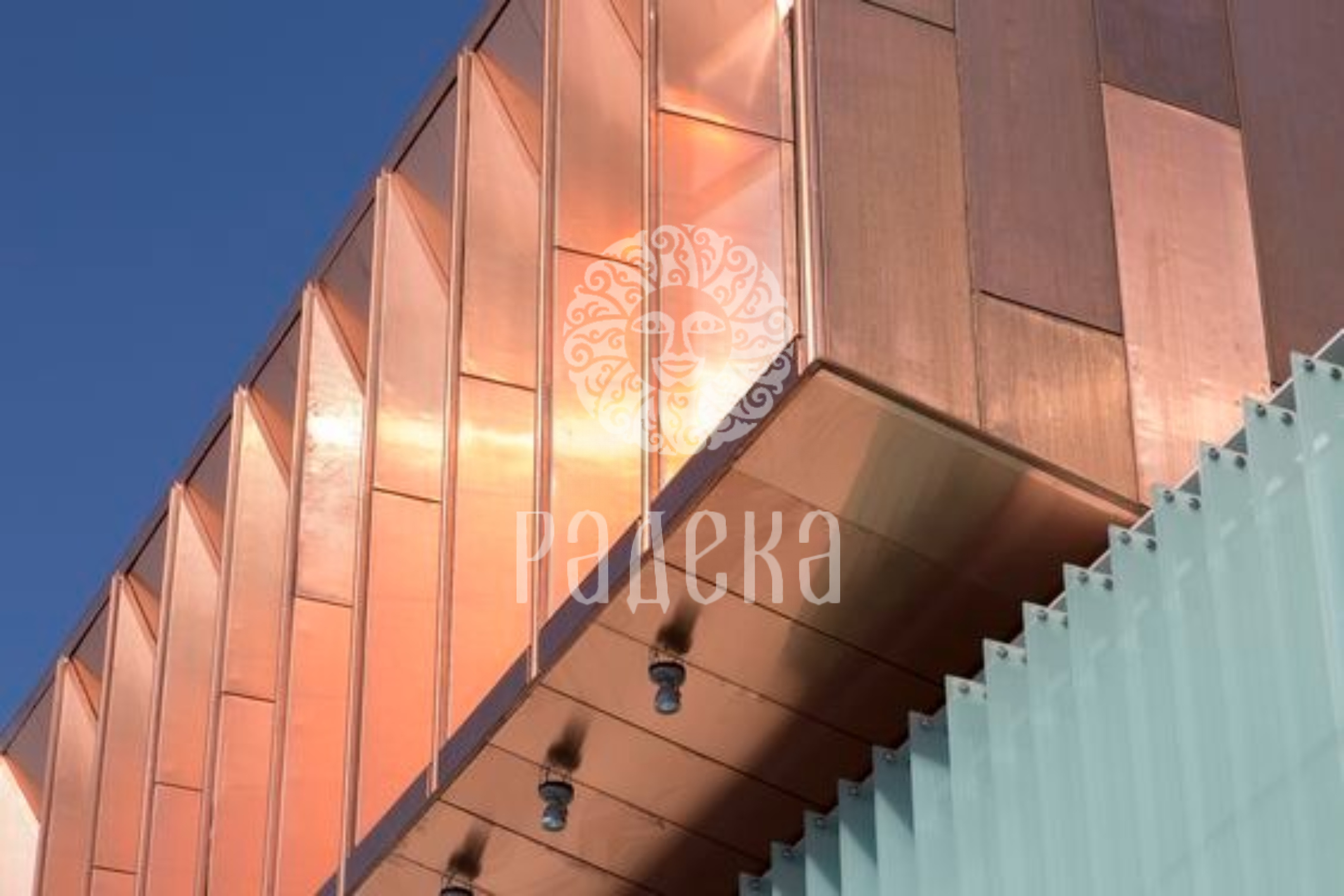
Copper is a ductile transition metal of golden-pink color. In the air a copper surface is quickly covered with a layer of oxide which gives it typical intensive brown and then black color. Afterwards the layer of oxide changes gradually turning into patina having a greenish-blue color. Copper is a living material which is naturally and harmoniously blend in with Russian nature and combines with urban architecture. Application of a copper sheet in construction is based on century-old traditions which date back to 1280 as historians say.
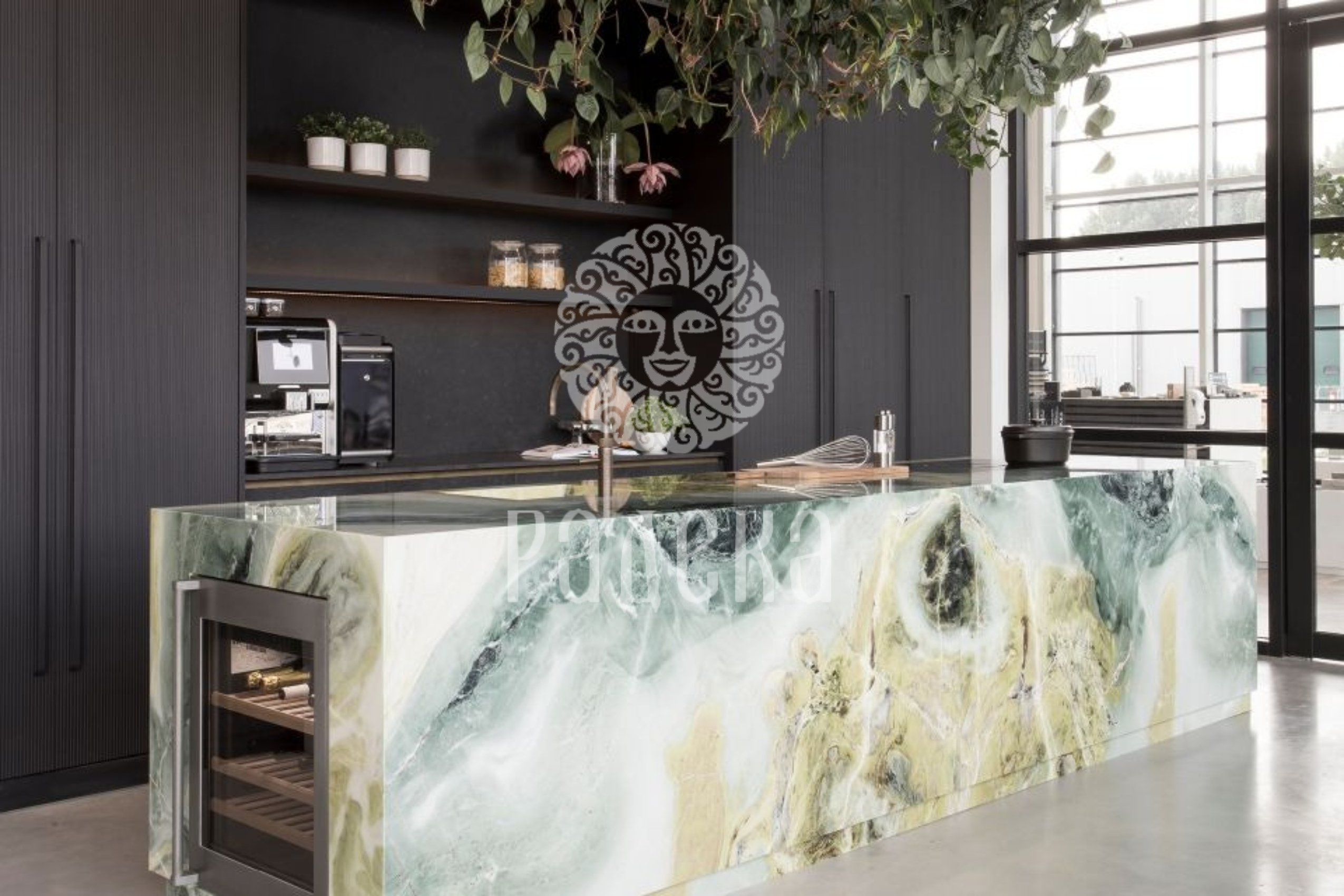
A stone quartzite is a rock consisting of several minerals: quartz, corundum, topazes, sericite, talc, feldspar, pyrophyllite the main of which is quartz. Qualities of quartzite Quartzites usually have uneven structure because sandstones of quartzite consist of large debris of sedimentary origin bonded with natural cement. Large mica and quartz crystals are visible in quartzites. Due to bonding of particles of different sizes the stone has a high durability – 8 points on the Mohs hardness scale. Also quartzite is resistant to low and high temperatures.
Polishing of natural stone is a popular kind of finishing process of the surface of marble, granite, onyx, dolomite, travertine and quartzite. This working process allows getting perfectly smooth surface with a deep and almost plate gloss. The main advantage of such finishing of natural stone is that polishing reveals a wealth of textures of stone and demonstrates its color as much as possible. The stone takes a fantastic smooth and glossy surface as a result of polishing process – close contact of the product with rotating felt material saturated with a polishing chemical. Stone polishing is also a way to make its surface maximally resistant to water exposure and atmosphere factors.