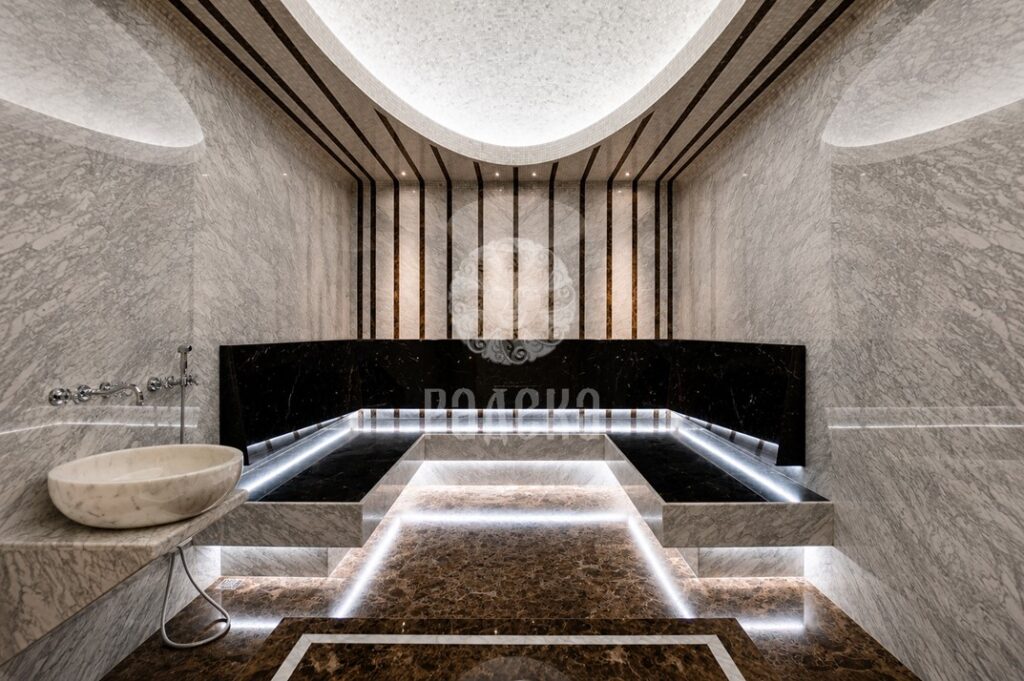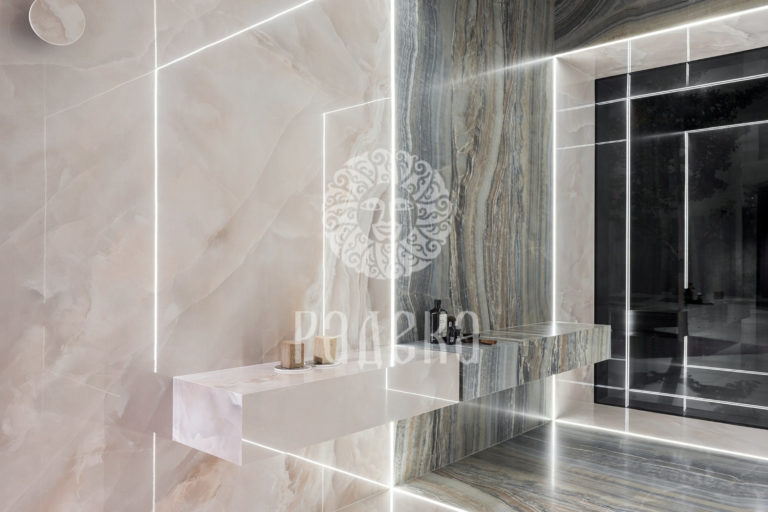
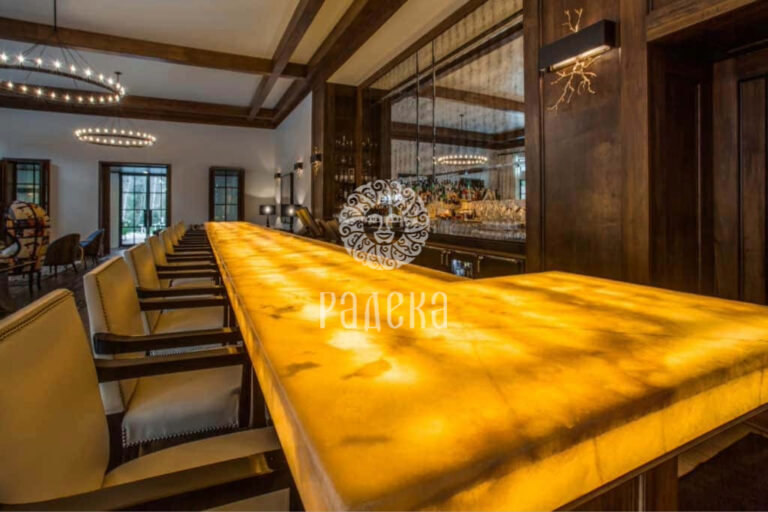
ONYX – DESCRIPTION, HISTORY AND APPLICATION TO CONSTRUCTION
Stone onyx is a natural semiprecious mineral which is widely used in the jewelry business and in construction. What is onyx? Onyx is one of…
Read More
You’ve found the perfect stone. Stunning veining. Noble texture. It’s exactly the interior you’d been picturing for months.
The material is ordered. The design is approved. Production begins. And then it turns out the large countertop can’t be made without an extra seam, the veining pattern isn’t at all what you expected, the staircase flight can’t be carried up to the second floor, and the fireplace cladding needs an entirely different substructure.
The most frustrating part is that the stone isn’t to blame. The mistake was made much earlier. Experience shows that most costly problems with natural stone arise before production even begins. That’s why professionals start not by choosing a type of stone, but by analyzing the project.
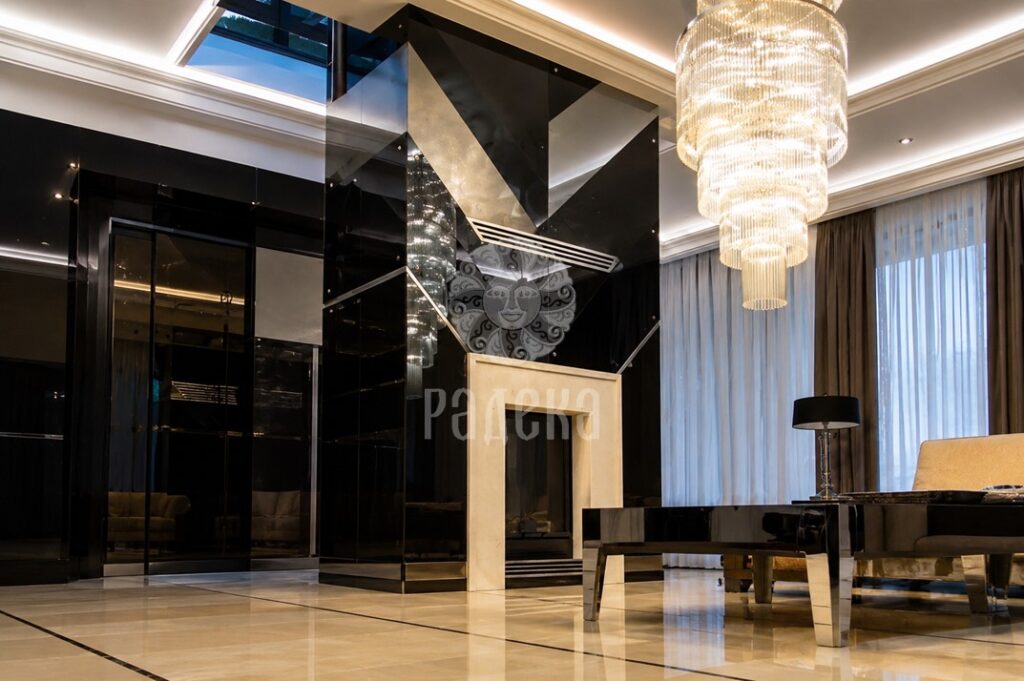
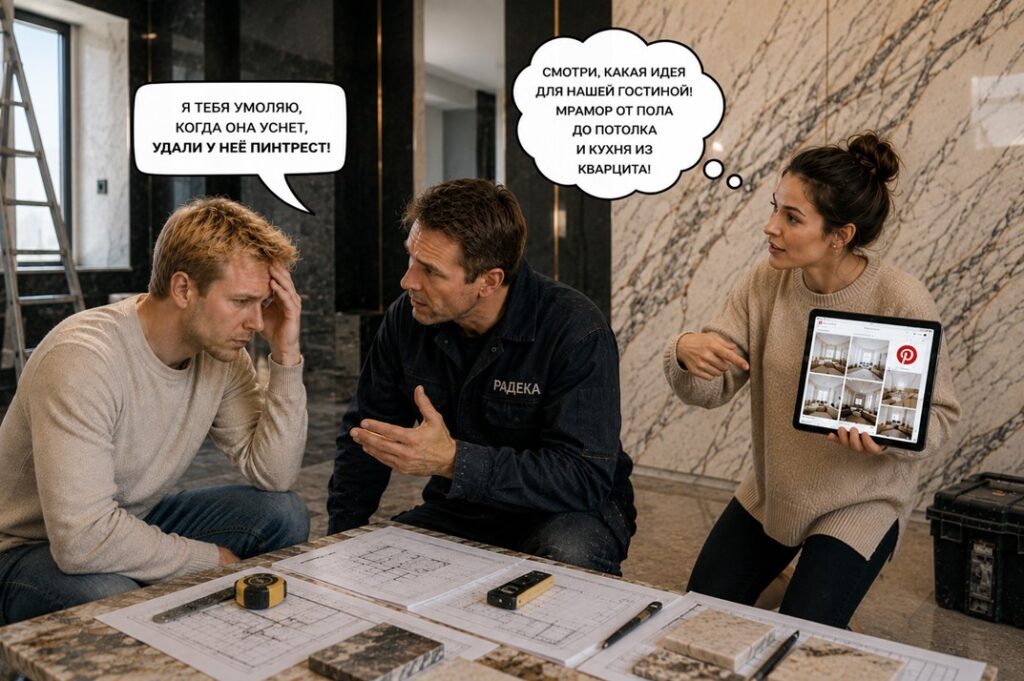
Most clients choose natural stone the same way they’d choose furniture or finishing materials. They browse photos, save interiors they like, visit a showroom, look at small samples, and pick the pattern they like best. That’s completely natural.
But natural stone isn’t a decorative coating. It’s a full-fledged structural material that affects architecture, manufacturing technique, and installation all at once.
That’s why a professional selection always starts with a completely different set of questions.
* Where will the stone be used?
* What loads will it be subject to?
* Will it come into contact with water or household chemicals?
* What dimensions should the pieces be?
* Can they be made from specific slabs?
* How will the veining run?
* How will the pieces be brought into the space?
* How will they be installed?
Only after answering these does it make sense to choose a specific type of stone. That’s why specialists start not with a stone catalog, but with the project.
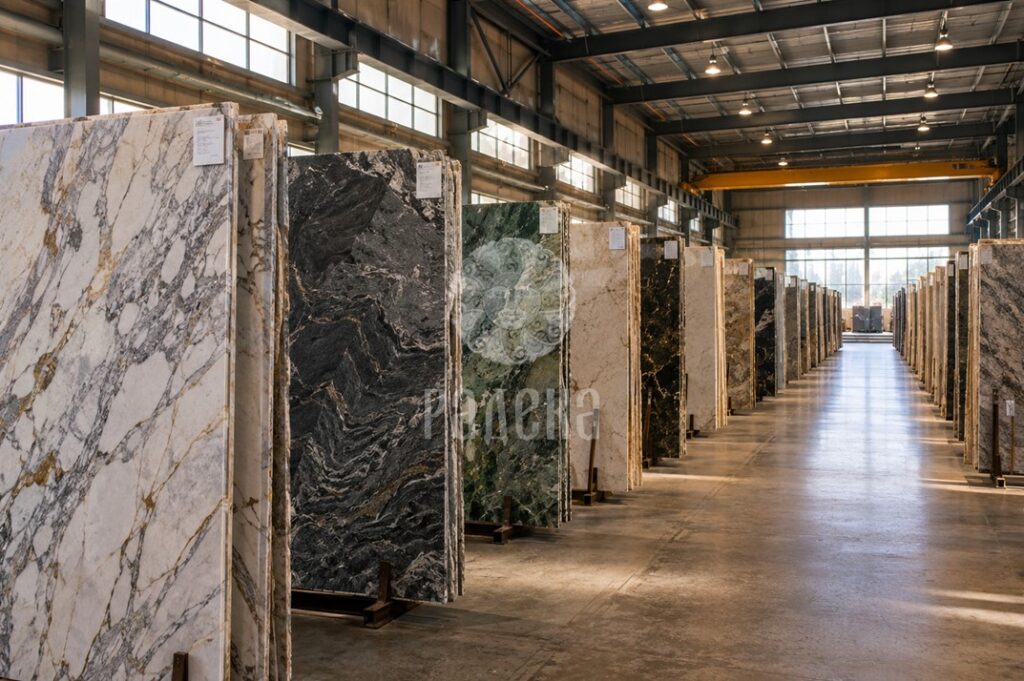
This is the most common mistake. Someone picks a beautiful marble or quartzite, then starts “fitting” the interior around it. In practice, it should work the other way around.
First you need to determine what pieces will be made, what size they’ll be, where the seams will run, what the substrate will be, and how the elements will be fastened — and only then choose the specific material.
It’s the project that defines the requirements for the stone, not the other way around. This approach helps avoid dozens of costly reworks before production even starts.

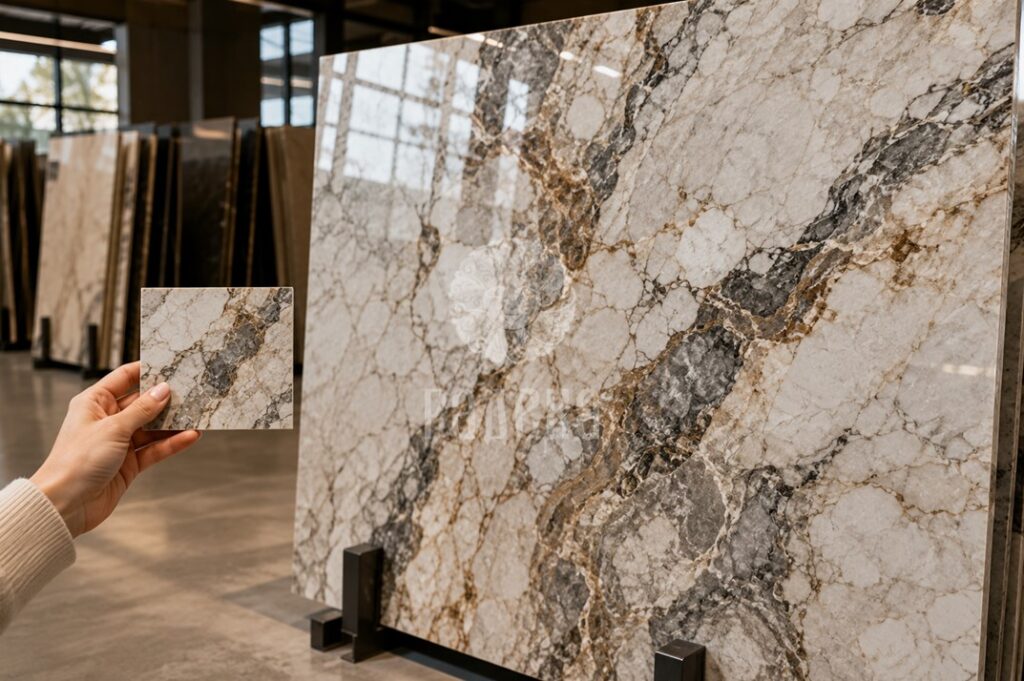
A small sample only shows color and texture. But natural stone is never completely uniform. Even neighboring sections of the same slab can differ significantly in pattern, color intensity, and vein placement.
For complex pieces, you need to select specific slabs and agree on the layout in advance. Only then can you actually control the final surface pattern instead of relying on luck.
Very often a client says:
— We really like this particular stone.
But a far more important question is:
— Is this stone actually right for your specific task?
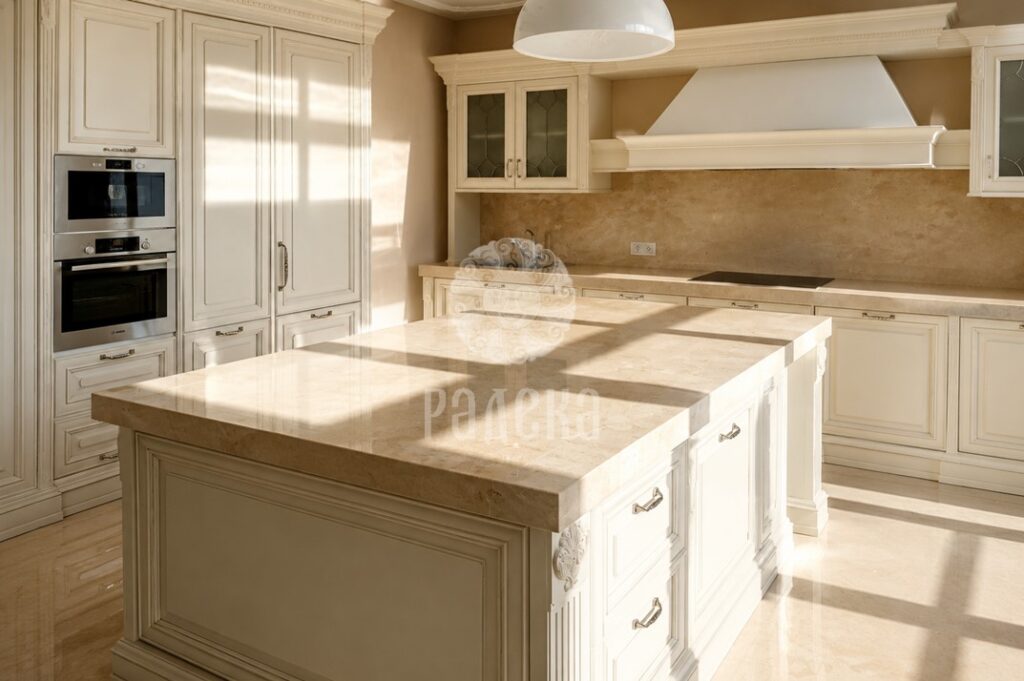
A material that looks superb on a living-room wall may not be the best choice for a kitchen countertop. Polished marble can lose its original shine in high-traffic areas.
Some types of stone are sensitive to acids and need more careful maintenance. Others perform beautifully for decades even under heavy use. That’s why a professional selection always considers not just appearance, but actual operating conditions.
This is one of the costliest mistakes. In a rendering, everything looks simple. In reality, it turns out the large panel can’t be carried through the doorway, the piece is heavier than the allowable load, or the existing substrate wasn’t designed for that kind of structure.
Sometimes changing a piece’s dimensions by just a few centimeters is enough to keep the pattern seamless and make installation much easier. But that decision can only be made before production begins.
Natural stone can’t be “copied.” Every slab is unique. So it’s not enough to simply choose the name of the stone type.
You need to determine in advance:
* which slabs will be used;
* how the veining will be positioned;
* which pieces will be cut from each section;
* where the seams will run;
* which elements will form a continuous pattern.
This is the stage where those seamless, high-end-looking interiors are born. That’s why slab layout is considered one of the most important stages of the project.
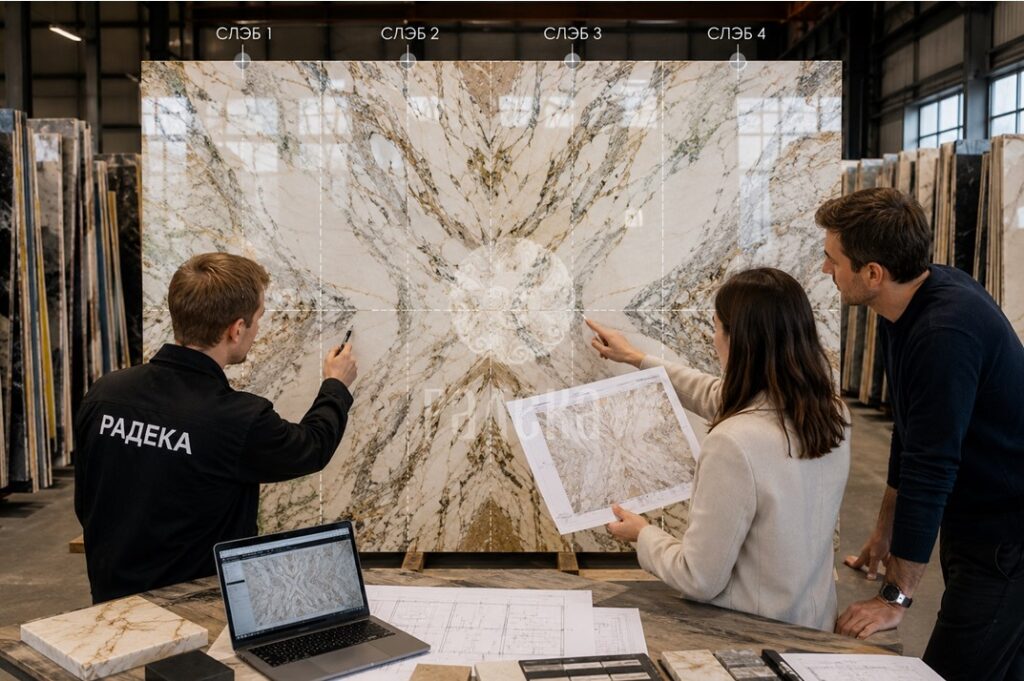
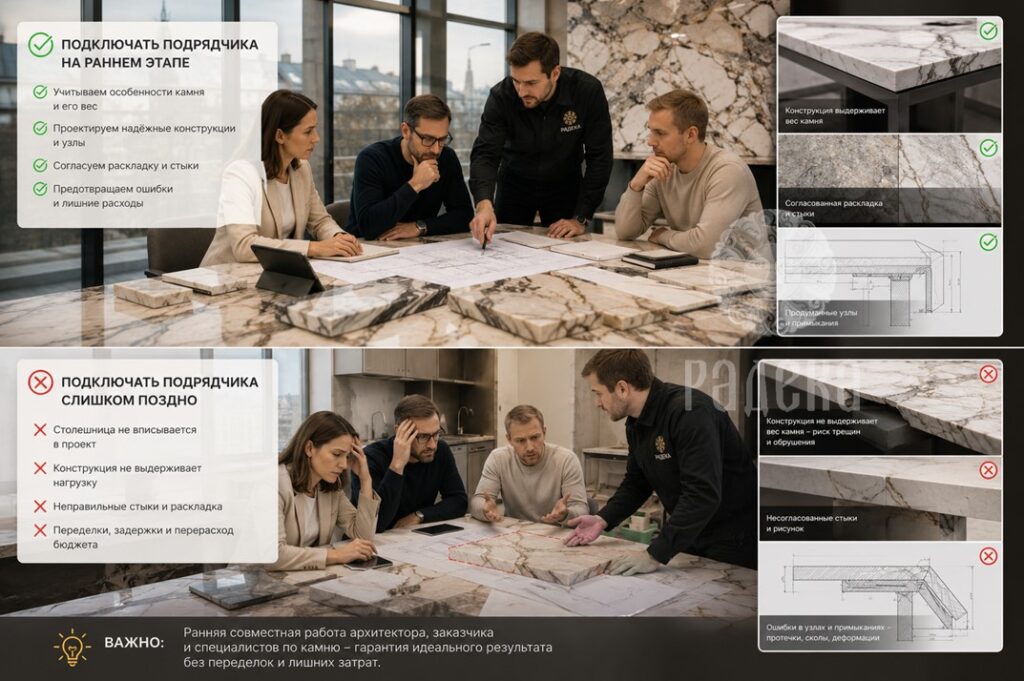
A natural stone contractor is often brought in only once the interior is nearly finished. By then, the dimensions are already set, the substrates are built, and much of the construction work is done.
As a result, it turns out some design decisions simply can’t be executed without major changes. Structures have to be redone, piece dimensions changed, or compromises found. When specialists are involved as early as the working-design stage, situations like this are usually avoided.
Working with natural stone always combines architecture, engineering, and manufacturing.
Every decision affects the next one.
The chosen stone type determines the possible size of the pieces. → Sizes affect the layout. → The layout determines where the seams fall. → Seams affect how the interior is perceived. → The weight of the pieces affects the substrate design. → And installation determines whether the chosen solution can be built at all.
That’s why a professional approach starts with analyzing the site, not with picking a pretty photo.
Natural stone is one of the most durable and noble materials in architecture. But a high price tag alone doesn’t guarantee a perfect result.
Nearly all serious mistakes don’t happen during installation, or even in production. They appear much earlier — the moment the material is chosen separately from the project.
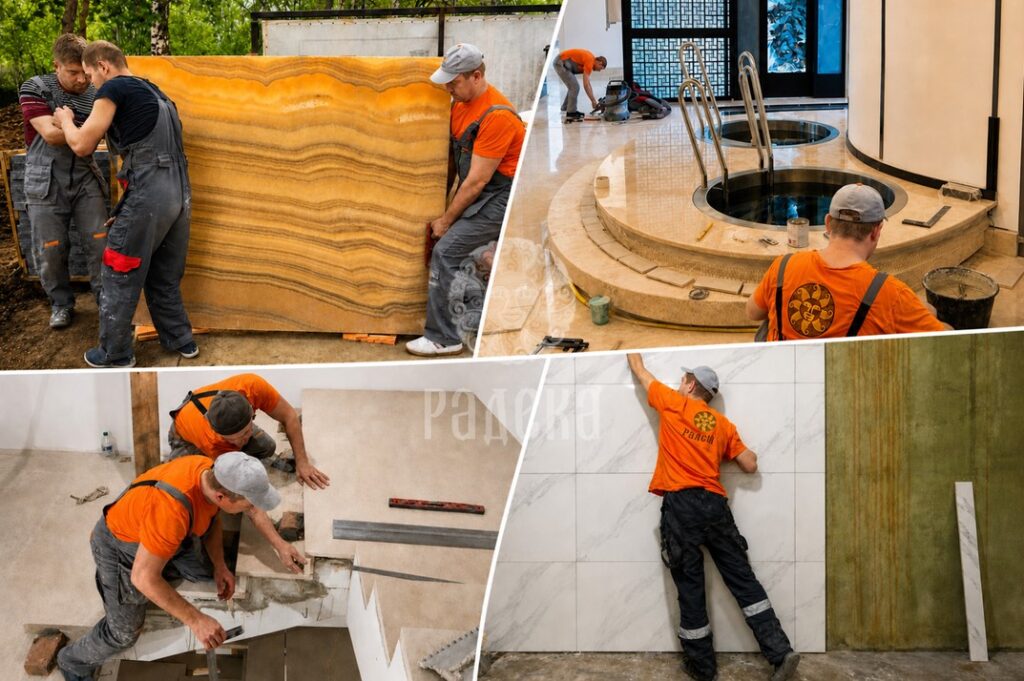
That’s why work at RADEKA never starts with a stone catalog. We first study the site’s architecture, operating conditions, structural decisions, and the future installation. Only then do we select the material, work out the slab layout, and finally send the pieces into production. This approach helps avoid most costly mistakes before work even begins, delivering exactly the result envisioned by the architect and the owner.